The Cholesterol You Can’t Diet Away
Harvard researchers confirm that most of the cholesterol in your blood isn’t made by what you eat—it’s made by your own liver. A centuries-old discovery from the islands of Okinawa may finally explain how to reach the part that diet and exercise can’t.

Cardiologists have a quiet name for it: the Okinawa Paradox. On a chain of subtropical islands south of mainland Japan, people routinely live past 100 with arteries that would make a 40-year-old envious—while eating in ways that should, by nearly every Western guideline, be working against them. For years, no one could fully explain it. The answer that eventually emerged also explains something far more personal: why a person can do everything right and still watch their cholesterol refuse to move.
Just ask Margaret Holt.*
Margaret turned 59 last spring. She had spent three years doing exactly what her doctor asked. She traded bacon and eggs for oatmeal. She gave up the Friday-night pizza she used to share with her grandchildren. She walked two miles every morning, through three Midwestern winters. She lost eleven pounds.
Then she went in for her annual blood work.
The nurse slid the printout across the desk, and Margaret’s eyes went straight to the line at the top. Total cholesterol: 247. Almost precisely where it had been three years earlier. She felt the heat rise in her face. Three years of cold morning walks and skipped desserts—for a number that hadn’t moved. That was the moment the tears came. Not from sadness, exactly, but from the sheer unfairness of it.

Her doctor said what she had been dreading. “Margaret, I think it’s time we talk about statins.”
She knew what that meant. Her sister had been on a statin for six years; the muscle pain eventually grew so severe she could no longer open a jar without help. A neighbor described the mental fog from his prescription as “thinking through wet cement.” Margaret asked for one more chance—ninety days to try something before resigning herself to a pill she would take for the rest of her life. Her doctor agreed, reluctantly.
What Margaret didn’t know—what almost no one had explained to her—was that everything she had done for three years could only ever address a small fraction of her cholesterol.
The rest was coming from somewhere else entirely.
The 20 Percent Most People Are Told to Fight
For decades, the public message about cholesterol has been simple: watch what you eat. Cut the fat. Lose the weight. And there is some truth in it. But it leaves out the larger half of the picture—by a wide margin.
According to a report from Harvard Health Publishing, only about a fifth of the cholesterol circulating in your bloodstream comes from food at all.
The implication is uncomfortable. Four out of every five cholesterol molecules in your blood were never part of a meal. Your body manufactured them internally. Which means Margaret’s three years of oatmeal and walking could, at best, influence one-fifth of the problem—while the larger share continued unchecked.
If you have ever changed your diet, lost weight, and exercised faithfully, only to watch your numbers hold stubbornly high, this is very likely the reason. You were addressing one-fifth of the equation. The other four-fifths were never in your kitchen.
Dr. Peter Toth, director of preventive cardiology at CGH Medical Center, has stated the point plainly:
“Body weight does not determine if a person suffers from high cholesterol or high triglycerides.”— Dr. Peter Toth, Director of Preventive Cardiology, CGH Medical Center
So if it is not chiefly about weight, and not chiefly about diet, the obvious question is what governs the rest. The most compelling answer of the last decade did not come from a pharmaceutical lab. It came from the longest-living population on the planet.
What the Longest-Lived People on Earth Have in Common
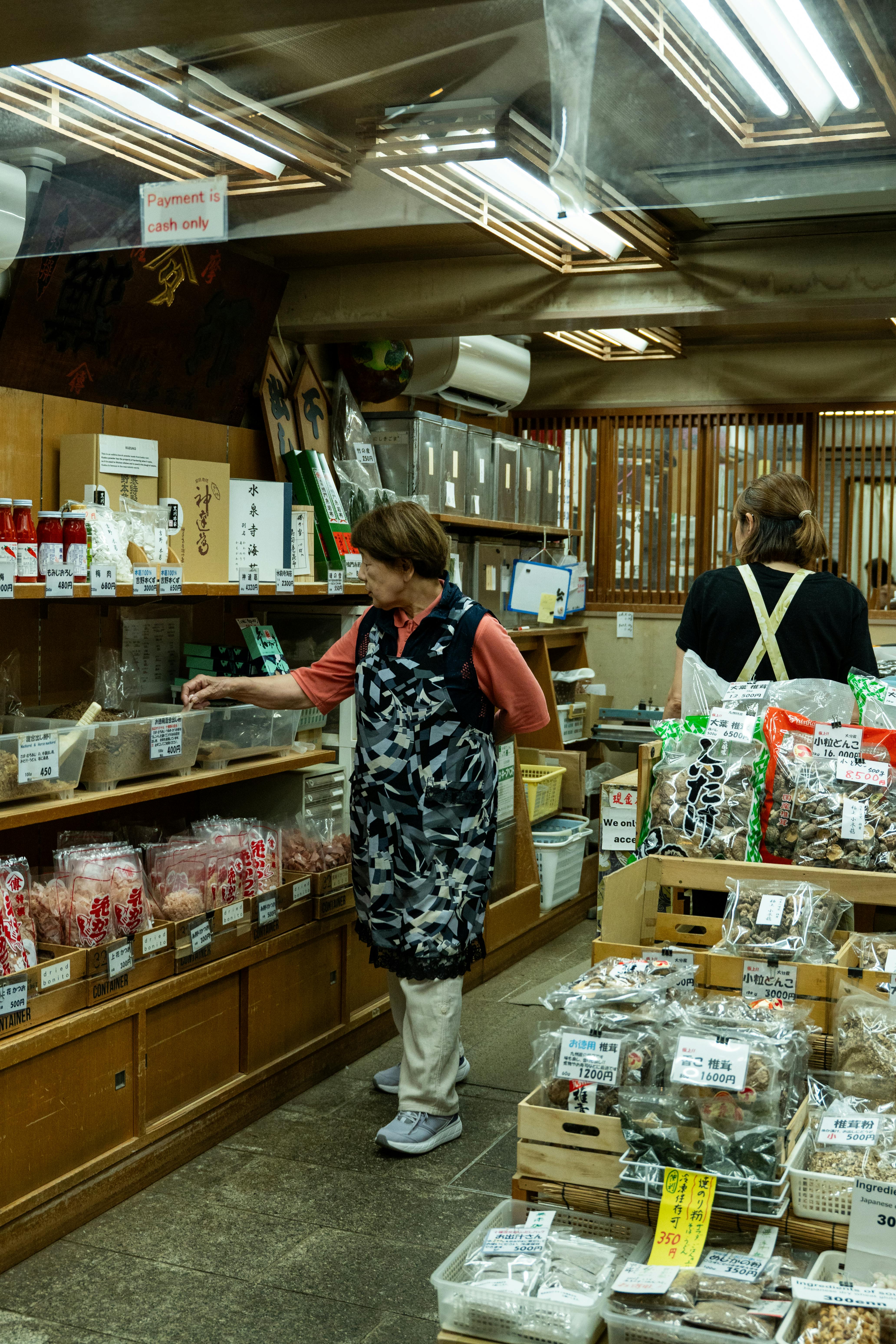
Okinawa is a subtropical prefecture of roughly 1.4 million people. It holds a distinction that has puzzled researchers for years: an unusually high number of residents who live past 100, many with cholesterol profiles a Western physician would call enviable.
Outlets from CNN to The Guardian have asked the same question that occupied the journals: what, specifically, protects these hearts? It was not simply fish, or green tea, or good genes. When researchers traced the pattern back through the traditional Okinawan diet, they arrived at something unassuming—and almost unknown in the West.
A class of rare mushrooms—and a fiber unlike any other
Woven through centuries of Okinawan cooking is a group of medicinal mushrooms so uncommon that only two or three of every 10,000 aged trees will host them. These mushrooms contain a distinct class of fiber called polysaccharides—chemically unlike the fiber in oats, beans, or vegetables.
What sets them apart is not what they are, but what they do once inside the body.
Researchers have since concentrated these specific Okinawan compounds into a single daily formula—now available across North America.
Learn how the formula was developed →Why the Problem Begins in Your Liver

Here is what rarely gets explained clearly in a doctor’s office. The cholesterol your liver produces does not simply float through the bloodstream. The liver first converts much of it into compounds called bile salts.
Dr. Bruno Stieger, a Swiss researcher with nearly 400 published studies, has summarized the liver’s role directly:
“The liver is the only organ that can excrete significant amounts of cholesterol.”— Dr. Bruno Stieger, Journal of Hepatology
Once those bile salts are created, the body does one of two things with them—and the difference is everything.
Path A is what happens inside most people. The bile salts recirculate, cholesterol stays elevated, and no amount of salad or walking alters the cycle. Path B is what appears to happen in Okinawa.
How the mushroom fiber redirects the cycle
The polysaccharide fibers in these mushrooms have an unusual property: they bind to bile salts. The attachment is firm—the fiber latches on and holds. Once that bond forms, the body can no longer treat the compound as fat. It reads the whole structure as indigestible fiber.
And fiber, of course, is something the body does not absorb. It is passed out naturally. The cholesterol-carrying bile salts are escorted out with it—rather than recirculating into the bloodstream and reappearing on your next blood test.
In short: published research suggests that these mushroom polysaccharides bind to bile salts and prompt the body to excrete them—one of the most direct natural mechanisms studied for reaching the cholesterol that diet and exercise do not address.
What Happened in the Laboratory
This is not folk tradition dressed up in scientific language. Peer-reviewed research from Cambridge, Tokyo, and leading biochemistry journals has tested these specific mushroom compounds under controlled conditions.
Reishi (Lingzhi)
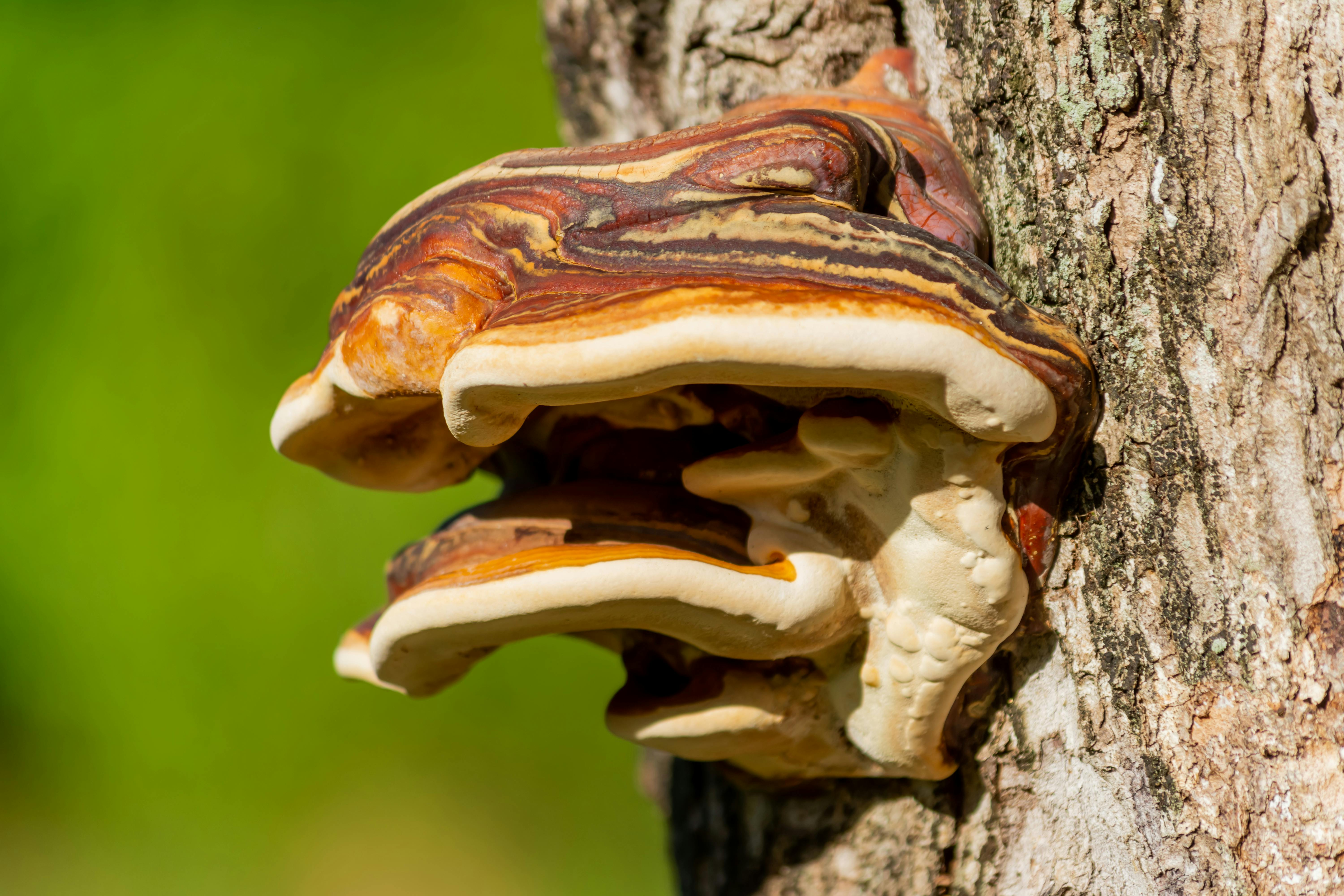
In a controlled human trial published by Cambridge University Press, participants given reishi extract showed nearly three times the improvement in HDL—the “good” cholesterol—compared with placebo, in a controlled research setting. Separately, Japanese researchers recorded reductions in blood pressure of up to 19.5 percent under laboratory conditions.
Yamabushitake (Lion’s Mane)
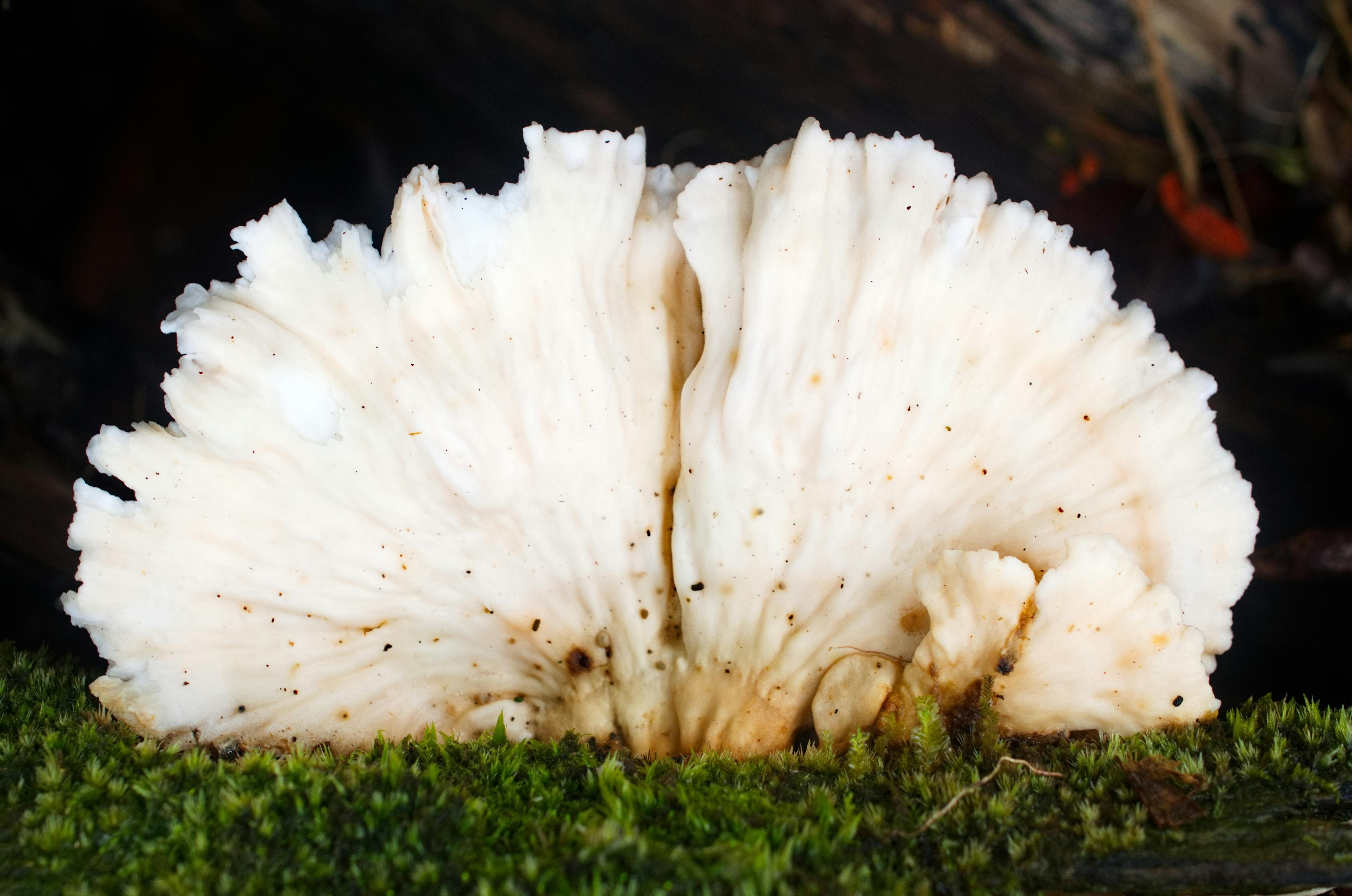
A study in Bioscience, Biotechnology, and Biochemistry reported that, under controlled conditions, lion’s mane extract reduced total cholesterol by as much as 80 points relative to placebo, alongside a meaningful drop in triglycerides. These are published findings on the raw extract, and individual responses may differ.
Maitake
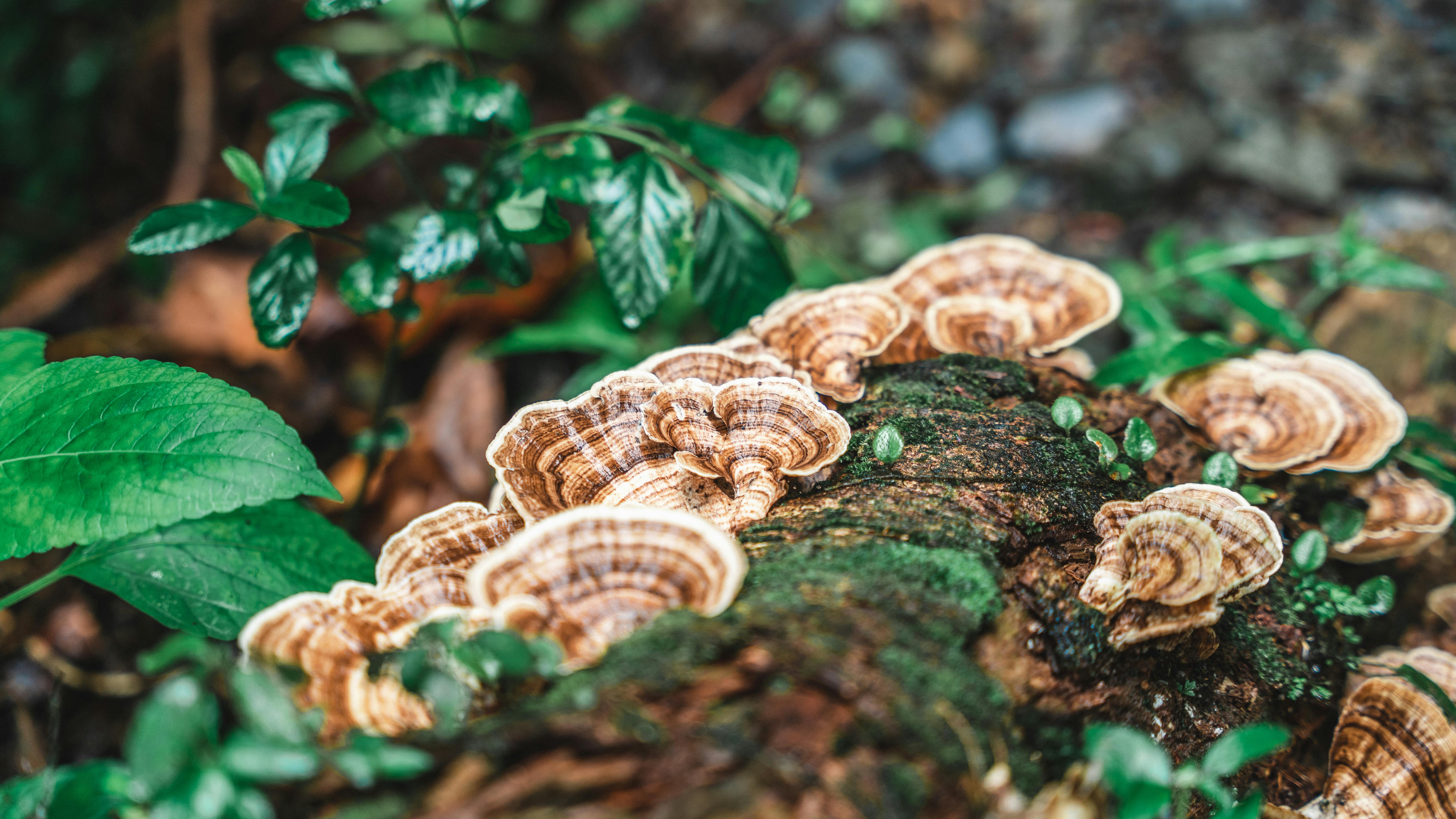
Clinical work on maitake found a 21 percent reduction in total cholesterol—and, importantly, a measurable increase in the amount of cholesterol the body excreted. That last detail is the mechanism in plain view: the fiber binding the bile salts, the body carrying them out.
Further studies on shiitake, chaga, and cordyceps have independently shown reductions in cholesterol and triglycerides and support for healthy blood pressure. Chaga, in particular, appears to influence a gene involved in fat storage.
The Forgotten Origin of the Statin
There is an irony in all of this that rarely surfaces in conversation.
The first statin ever developed was not synthesized from scratch in a laboratory. It was isolated from a naturally occurring fungus. In 1976, the Japanese biochemist Dr. Akira Endo identified the compound after screening more than 6,000 fungal extracts. He later described the discovery as “a gift from nature.”
From that natural starting point, the modern statin industry was built: synthetic versions, patents, and a market worth tens of billions of dollars a year. The drugs work for many people. But for others they bring the very costs Margaret feared—muscle pain, fatigue, mental fog, the need for ongoing liver monitoring.
The original natural compounds—the kind found in Okinawan mushrooms—were never patented, because nature cannot be. They simply remained where they had always been: in the diet of the longest-lived people on Earth.
A word of honesty: this is not for everyone
If you are taking a statin, tolerating it well, and your numbers sit where your physician wants them, there may be no reason to change a thing. None of this is a cure, and none of it replaces your doctor’s care.
But if you have followed the diets and the walking and the “eat more oats” advice and watched your numbers hold high anyway—if you are facing a prescription you would rather avoid—then what follows is worth a few more minutes of your attention.
From a Japanese Forest to a Daily Capsule
If these mushrooms are so effective, a reasonable person asks, why isn’t everyone using them? There are two practical obstacles.
The first is access. Reishi, lion’s mane, and wild maitake grow natively in limited regions of Japan; they are not sitting on the shelf at your local grocery store. The second is preparation. Conventional cooking destroys much of the active polysaccharide content—researchers have found that properly prepared concentrates can yield many times more of the bile-salt-binding fiber than the raw mushroom. In other words, even if you could source them, a recipe would not deliver what the studies used.
That gap is what led a team of formulators to ask a different question: could all ten of these studied mushroom extracts be concentrated into a single daily capsule—at levels consistent with the published research?
The answer, it turns out, is yes. A formula now exists that combines all ten Okinawan mushroom extracts—reishi, lion’s mane, maitake, shiitake, cordyceps, chaga, turkey tail, royal agaricus, white button, and black fungus—into two capsules taken daily before a meal, as part of a healthy lifestyle. It is manufactured in the United States in a cGMP-certified facility, backed by a full 365-day money-back guarantee, and available without a prescription.
The full details—including the exact formulation, the dosage rationale, the clinical references, and how to try it risk-free—are explained in a research presentation available on the following page. As always, consult your physician before beginning any new supplement.
Picture Your Next Appointment
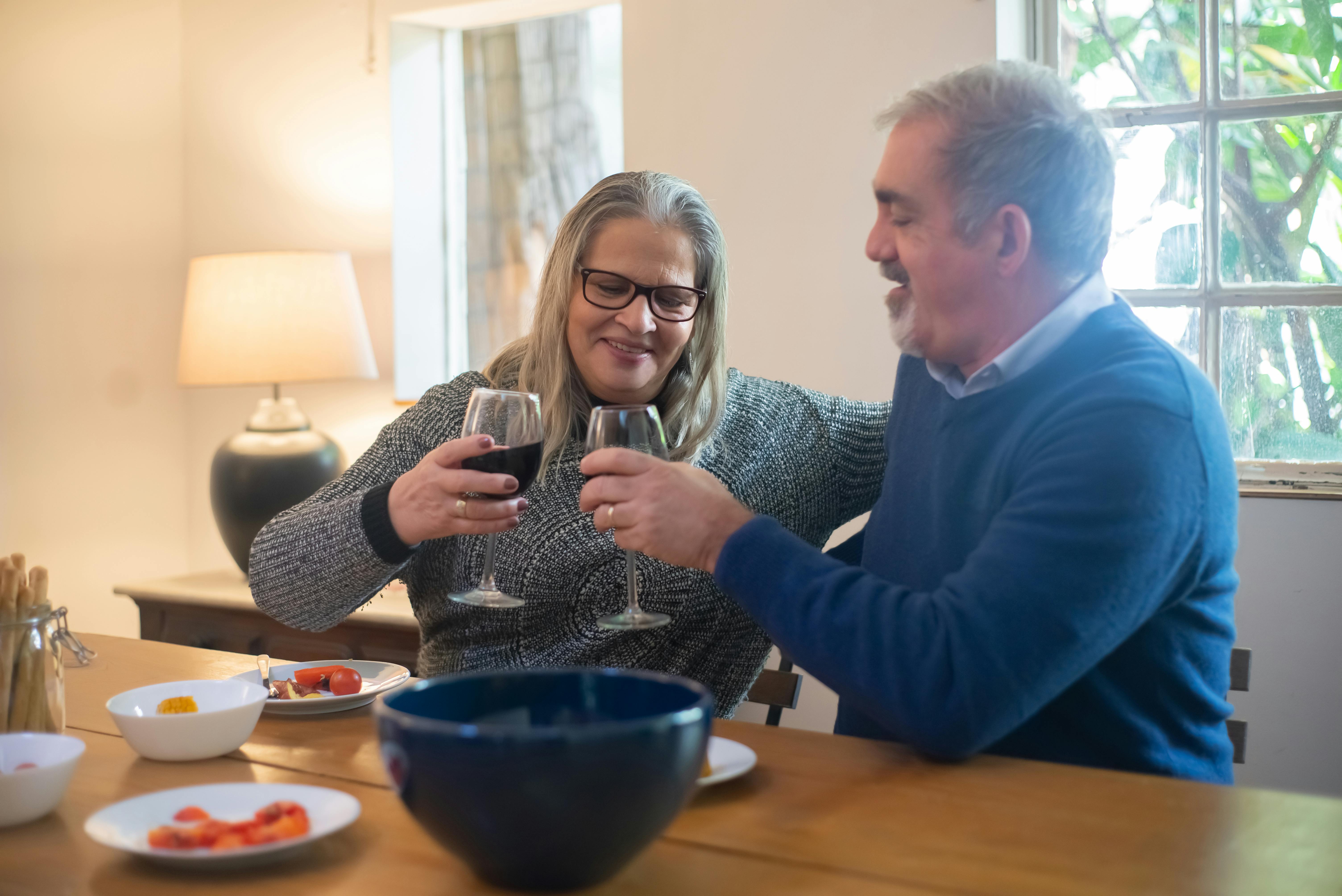
Imagine the next time you sit in that examination room. The nurse draws your blood. The results come back. And this time, instead of the familiar lecture, your doctor studies the numbers, looks up, and says: “Whatever you’re doing—keep doing it.”
Imagine ordering a steak on a Friday night without the quiet guilt. A glass of wine without the mental arithmetic. An afternoon with your grandchildren without the low hum of worry in the background.
That is what lies on the other side of addressing the larger share—the 80 percent that was never about your plate. It is not a fantasy. It is what the research supports, what Okinawans have lived for generations, and what a growing number of North Americans report experiencing now.
Margaret had ninety days when she started. She did not tell her doctor. She did not tell her sister. She simply added two capsules to her morning, next to her coffee, and kept living her life.
Sixty days later she went back for blood work. She sat in the same chair, under the same lights, and waited for the same nurse. When the printout came, she almost did not want to look. She turned it over.
The number was lower. Meaningfully lower. For the first time in three years, something had actually moved.
Her doctor studied the sheet for a long time. Then he looked up and said five words she will never forget: “Whatever you did—keep going.”
He did not mention statins.
That Friday evening, Margaret ordered pizza with her grandchildren. She ate two slices, slowly, and for the first time in three years did not calculate what they might cost her.
People do not change because of data.
They change because of a moment.
A lab result that scares them.
A grandchild’s hand in theirs.
A morning when the body feels older than it should.
A quiet decision—not out of fear, but out of love.
Love for the years you still want to have.
There is no risk in finding out
The formula is backed by a full 365-day, money-back guarantee. Take the entire supply for a year. If you are not satisfied for any reason, the bottles can be returned for a complete refund. The only decision in front of you today is whether to look into it—not whether to commit to it.
See the formula, the research, and how to try it risk-free
On the following page, you will find the exact formulation, the clinical references cited in this report, the recommended dosage, current pricing, and full details on the 365-day money-back guarantee.
Continue to the Presentation →Questions Readers Ask
You have read the research.
You have seen the mechanism.
You know what diet can reach and what it cannot.
The only question left is whether you will do something about the other 80 percent—
or keep hoping it resolves on its own.
See what the Okinawans have known for centuries
The full presentation—ingredient details, published references, and how the 365-day guarantee works—is on the following page.
View the Full Presentation →Sources & References
- Harvard Health Publishing — “How It’s Made: Cholesterol Production in Your Body.”
- International Journal of Cardiology (2019) — comparative cardiovascular mortality, Okinawan population.
- Cambridge University Press, British Journal of Nutrition — controlled trial of Ganoderma lucidum (reishi).
- Bioscience, Biotechnology, and Biochemistry — Hericium erinaceus (lion’s mane) and lipid profile.
- Journal of Hepatology — B. Stieger, on hepatic cholesterol excretion.
- CGH Medical Center / Healthline — P. Toth, on body weight and cholesterol.
- PubMed — controlled studies on maitake, shiitake, chaga, and cordyceps extracts.
- American Scientist — “Statins: From Fungus to Pharma” (A. Endo).
- Nature Medicine; Cell Press — history of statin development from fungal compounds.